
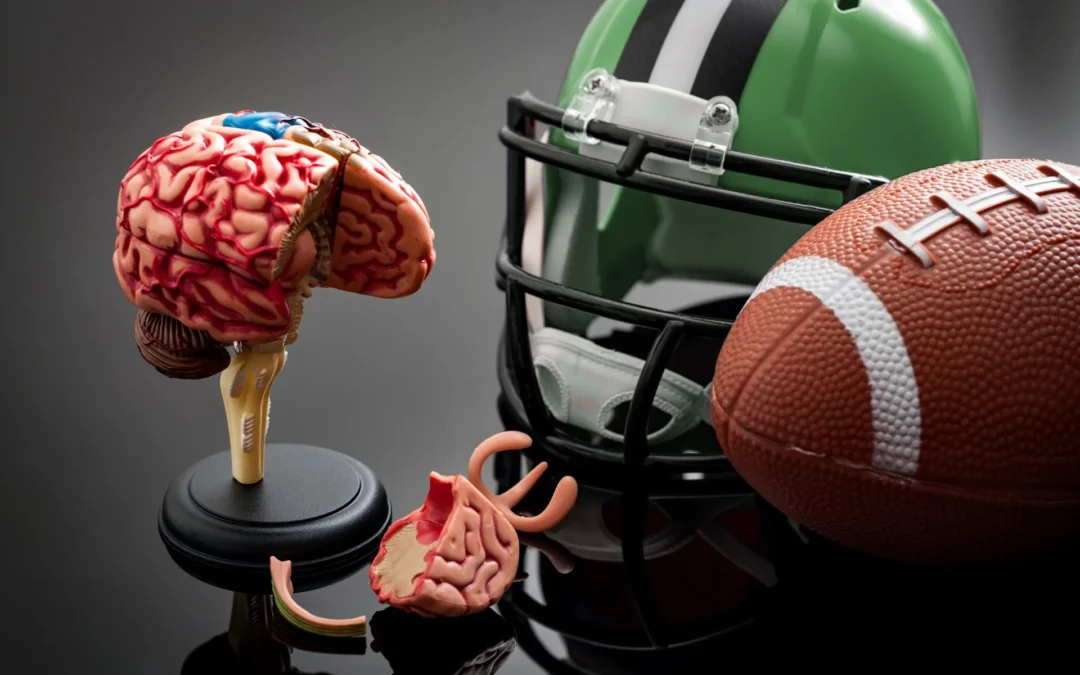
For decades, football legend Joe Namath was known for his fearless play on the field. As the Super Bowl III champion quarterback of the New York Jets, he built a Hall of Fame career defined by toughness and resilience.
But like many athletes who played during an era when the long-term effects of traumatic brain injury (TBI) were not fully understood, Namath endured countless hits to the head throughout his career.
Years later, he began to experience the consequences.
When Brain Injury Symptoms Appear Years Later
After retiring from football, Namath began noticing memory problems and other cognitive challenges. These symptoms are not uncommon for individuals who have experienced repeated head trauma.
Brain imaging later revealed that some areas of his brain had reduced blood flow, a condition that can occur following traumatic brain injury.
This reality is familiar to many people living with brain injuries — including veterans, first responders, and athletes — where symptoms may not fully appear until years or even decades after the original trauma.
Namath has spoken openly about the toll these injuries can take.
“The brain is not designed for that kind of contact.”
— Joe Namath
Joe Namath and Hyperbaric Oxygen Therapy
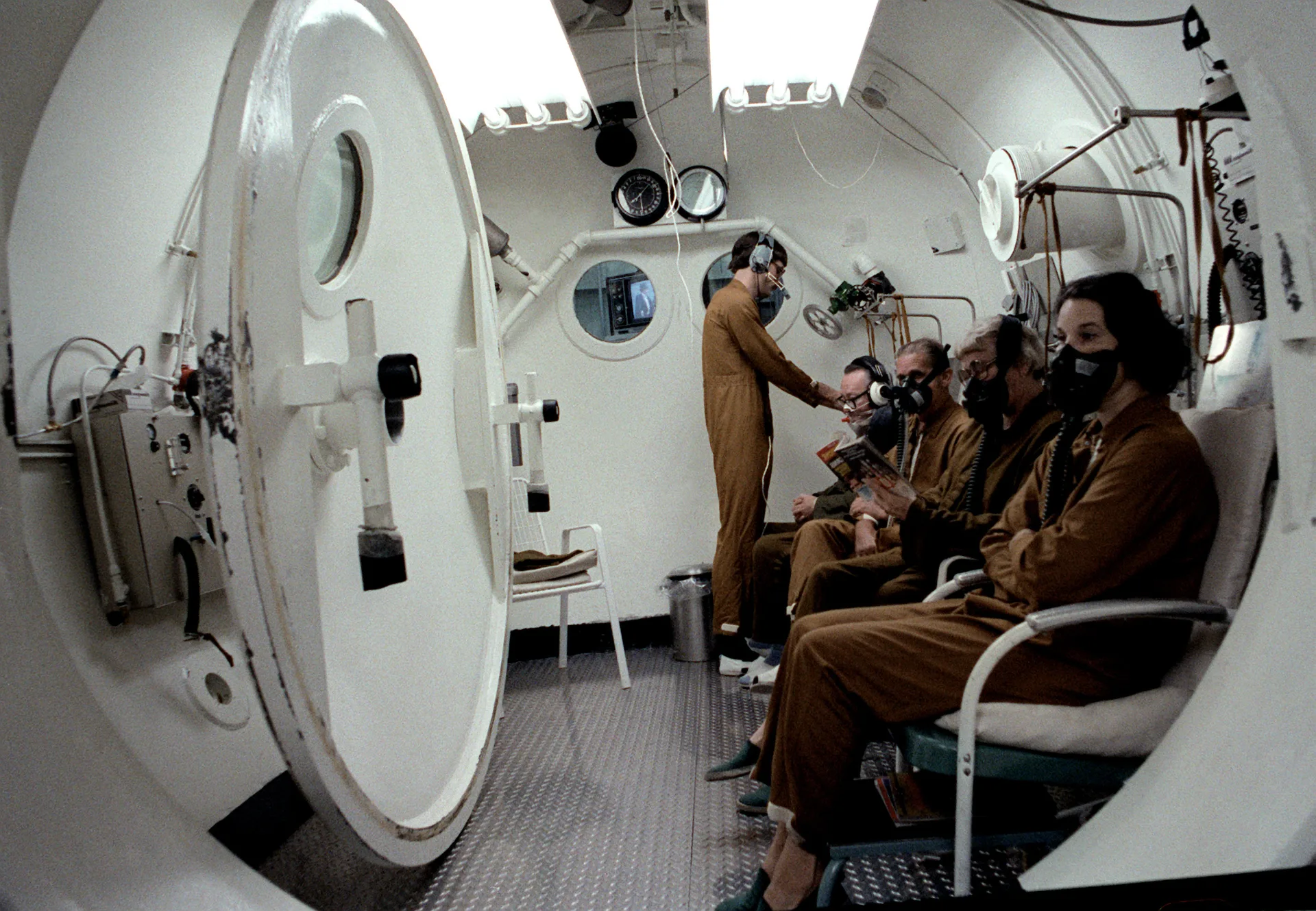
In 2012, Namath underwent a series of hyperbaric oxygen therapy (HBOT) treatments at Jupiter Medical Center in Florida Hyperbaric oxygen therapy involves breathing oxygen in a pressurized environment, allowing the body to deliver higher concentrations of oxygen to tissues — including the brain. Increased oxygen delivery helps stimulate healing processes such as improved blood flow and cellular repair. Over the course of several months, Namath completed approximately 120 HBOT sessions. Following treatment, physicians reported that brain imaging showed improved blood flow in areas that had previously appeared inactive.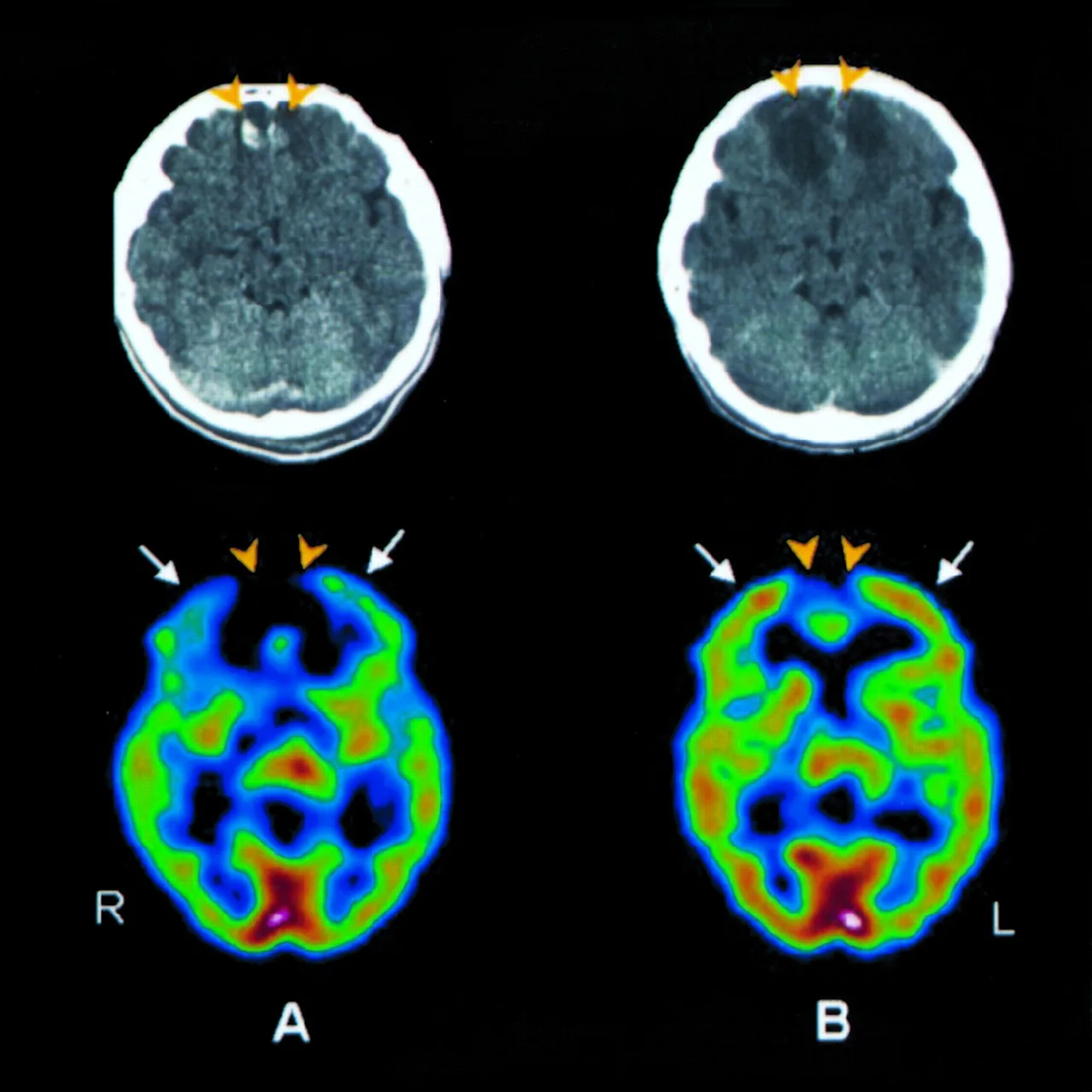
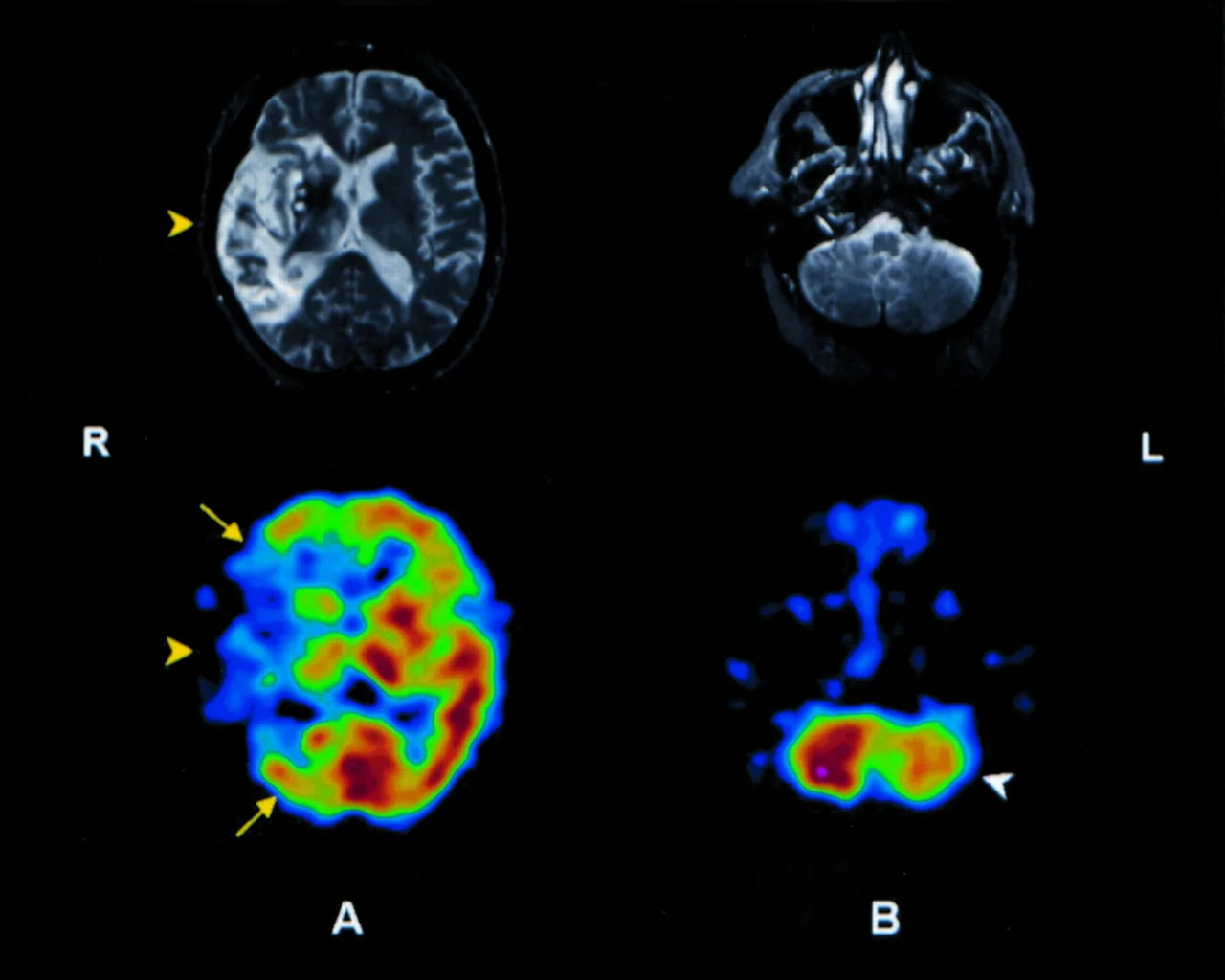
Example of a brain perfusion (SPECT) scan used to evaluate blood flow in different regions of the brain. Areas with reduced blood flow may appear darker or cooler in color. Imaging like this can help physicians evaluate traumatic brain injury and other neurological conditions.
Namath also reported noticing improvements himself.
“The hyperbaric treatments helped my brain.”
— Joe Namath
Reflecting on why he pursued treatment in the first place, Namath explained:
“I wanted to see if there was something that could help my brain heal.”
— Joe Namath
A Story That Sparked National Conversation
Namath’s journey toward recovery became part of a broader national conversation about brain injury in sports.
In a widely read ESPN feature, Namath discussed his efforts to address the long-term effects of repeated head trauma and the treatments he pursued after noticing cognitive changes later in life.
The story highlighted both his personal experience and the growing awareness surrounding brain injuries among athletes.
While research into treatments for traumatic brain injury continues to evolve, Namath’s story helped bring greater attention to the long-term neurological impact of repeated head trauma.
Advancing Brain Injury Research
Namath’s experience motivated him to help support further research into brain injury and recovery.
He later helped launch the Joe Namath Neurological Research Center at Jupiter Medical Center. The center studies treatments for neurological conditions, including traumatic brain injury, and explores ways to improve long-term recovery outcomes.
Namath has since spoken publicly about the importance of exploring therapies that may help individuals recovering from brain trauma — not only athletes, but also those injured in accidents, sports, or military service.
What Joe Namath’s Story Teaches Us About Brain Injury
Namath’s experience highlights several important truths about traumatic brain injury recovery and other realities that are central to the mission of HBOT4Heroes.
- Brain injuries are often invisible
- Symptoms can appear years after the original trauma
- Reduced blood flow and injured brain tissue may still respond to treatment
- Recovery may still be possible long after the injury occurred
Namath himself has expressed hope that the therapies that helped him could also benefit others living with brain injuries — including veterans living with the long-term effects of brain injury.
Hope for Veterans Living with TBI
Traumatic brain injury affects millions of people, including many who have served our country.
Stories like Joe Namath’s have helped bring national attention to the long-term effects of brain injury and the importance of exploring potential paths to recovery.
For many living with TBI, the goal is simple:
- To restore health.
- To regain clarity.
- To reclaim life.
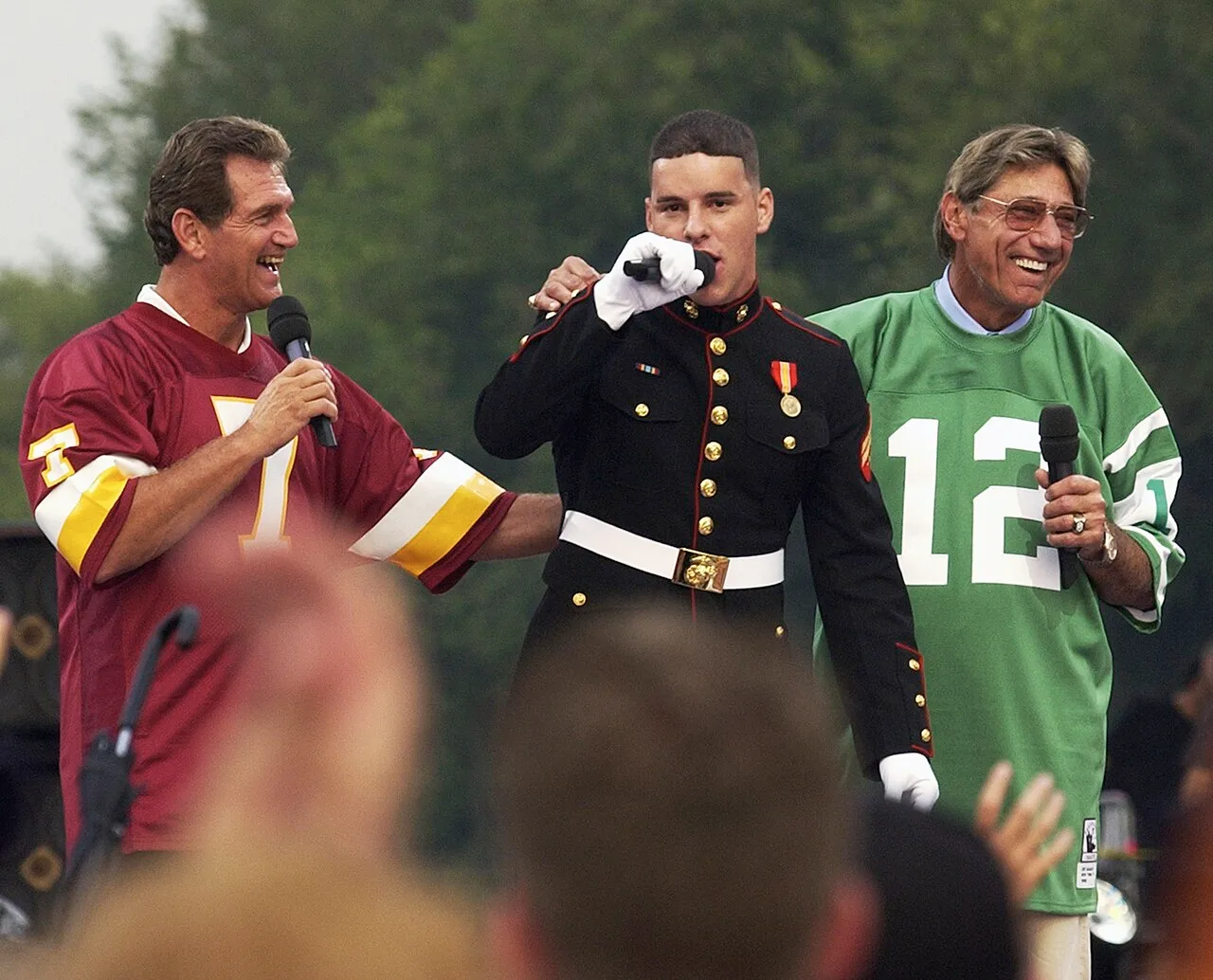
“The hyperbaric treatments helped my brain.”
— Joe Namath
At HBOT4Heroes, we believe no hero should face that journey alone.
Learn more about our mission to support veterans recovering from traumatic brain injury:
https://hbot4heroes.org/
Important Medical Note: Hyperbaric oxygen therapy for chronic traumatic brain injury is an area of ongoing medical research. Individual results may vary, and treatment decisions should be made with qualified healthcare professionals.
Sources
- https://www.cbs12.com/news/local/super-bowl-mvp-joe-namath-shares-his-experience-with-hyperbaric-oxygen-therapy
- https://www.amenclinics.com/blog/nfl-legend-joe-namath-says-hyperbaric-oxygen-therapy-healed-his-damaged-brain/
- https://abcnews.com/Health/joe-namath-play-football/story?id=30717244
- https://www.espn.com/espn/feature/story/_/id/13186859/joe-namath-believes-found-cure-brain-damage-caused-football
- https://joenamath.org/
- SPECT Scan Image Credit: Brain perfusion SPECT scan illustration – Journal of Nuclear Medicine / educational use. Source: https://jnm.snmjournals.org/content/42/2/259
- By New York Jets – Physical copy at the Pro Football Hall of Fame and Museum archives, Canton OH, Super Bowl III file., Public Domain, https://commons.wikimedia.org/w/index.php?curid=16130583
- Public Domain, https://commons.wikimedia.org/w/index.php?curid=597186
- File:Patients are being treated in the hyperbaric chamber in the Hyperbaric Medicine Division, School of Aerospace Medicine – DPLA – 82d890046918b75a8952a348c0425db6.jpeg
